
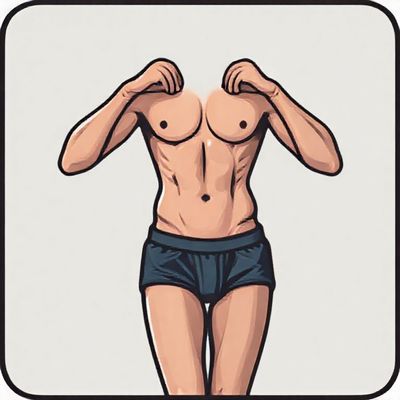
What is Body Fat Percentage?
Body fat percentage represents the proportion of your total body weight that consists of adipose tissue (fat) versus lean body mass (muscle, bone, organs, and water). Unlike simple weight measurements or BMI, body fat percentage provides a true picture of your body composition, distinguishing between metabolically active lean tissue and stored energy reserves.
This metric is crucial because two people with identical height, weight, and BMI can have vastly different body compositions and health profiles. An athlete with substantial muscle mass might weigh the same as a sedentary individual with high body fat, yet their health risks, physical capabilities, and nutritional needs differ dramatically. Body fat percentage reveals these critical distinctions that weight alone cannot.
Understanding your body fat percentage helps set realistic physique goals, track true progress during weight loss or muscle building, and assess health risks more accurately than weight-based metrics. Essential fat - needed for basic physiological functions - comprises about 2-5% for men and 10-13% for women. Additional storage fat serves as energy reserves and insulation, but excess accumulation particularly around organs (visceral fat) significantly increases disease risk.
Measurement Methods and Accuracy
Multiple methods exist for estimating body fat percentage, each with different accuracy levels, costs, and accessibility. Direct measurement is impossible without cadaver dissection, so all practical methods provide estimates with varying margins of error.
Skinfold Calipers (±3-4% accuracy): Measures subcutaneous fat thickness at specific body sites using calipers, then applies prediction equations. The most common protocols are the 3-site Jackson-Pollock method and 7-site Jackson-Pollock method. Accuracy depends heavily on technician skill and consistency. This method works best for tracking changes over time rather than determining absolute values.
Bioelectrical Impedance Analysis (±4-5% accuracy): Sends harmless electrical current through the body, measuring resistance to estimate body composition. Fat tissue conducts electricity differently than lean tissue. Hydration status significantly affects results, so measurements should be taken under consistent conditions. Most home scales use this technology but often sacrifice accuracy for convenience.
DEXA Scan (±1-2% accuracy): Dual-energy X-ray absorptiometry uses low-dose X-rays to differentiate between bone mineral, lean tissue, and fat mass. Considered the gold standard for practical body composition testing, DEXA provides detailed regional breakdowns showing exactly where fat is stored. The downside is cost ($50-150 per scan) and need to visit specialized facilities.
Hydrostatic Weighing (±2-3% accuracy): Underwater weighing based on Archimedes' principle comparing weight on land versus submerged. Fat is less dense than water, so higher body fat results in greater buoyancy. Requires complete lung exhalation and specialized equipment, making it less accessible but highly accurate when performed correctly.
Visual Estimation (±5-8% accuracy): Comparing your appearance to reference photos of known body fat percentages. While subjective and least accurate, this free method can be surprisingly useful for tracking changes over time and setting realistic visual goals.
Healthy Body Fat Ranges
Optimal body fat ranges vary significantly by gender due to biological differences in essential fat requirements. Women need higher essential fat for reproductive functions and hormone production, explaining why their healthy ranges are 6-8% higher than men's across all categories.
For Men:
• Essential Fat: 2-5% (minimum for basic physiological function)
• Athletes: 6-13% (competitive athletes, visible muscle definition)
• Fitness: 14-17% (athletic appearance, good health markers)
• Average: 18-24% (typical for healthy adult males)
• Obese: 25%+ (increased health risks)
For Women:
• Essential Fat: 10-13% (minimum for reproductive health)
• Athletes: 14-20% (competitive athletes, defined musculature)
• Fitness: 21-24% (fit appearance, healthy hormone levels)
• Average: 25-31% (typical for healthy adult females)
• Obese: 32%+ (increased health risks)
Going below essential fat levels can cause serious health problems including hormonal disruption, bone density loss, immune suppression, and organ damage. For women, extremely low body fat often leads to amenorrhea (loss of menstruation) and fertility issues. The "fitness" and "athlete" ranges represent sustainable long-term targets for most people prioritizing health alongside aesthetics.
Strategic Applications for Body Composition Goals
Knowing your body fat percentage transforms how you approach nutrition and training. During fat loss phases, tracking body fat alongside weight ensures you're losing primarily fat rather than muscle. Losing 10 pounds might mean losing 8 pounds of fat and 2 pounds of muscle (good) or 5 pounds each (suboptimal) - body fat percentage reveals this crucial distinction.
For muscle building, body fat percentage helps determine whether you're in an optimal range to bulk. Starting a muscle-building phase too lean (men below 10%, women below 18%) can impair performance and hormonal health. Conversely, starting too heavy (men above 15%, women above 25%) means you'll need to cut sooner, limiting muscle-building time. Most experts recommend "mini-cut and bulk" cycles staying within 8-15% for men and 18-25% for women.
Body recomposition - simultaneously losing fat and building muscle - works best for beginners or those with higher body fat percentages. As you become leaner and more trained, dedicating focused periods to either building or cutting produces better results than trying to do both. Your current body fat percentage helps determine which phase to prioritize: if above 20% (men) or 30% (women), focus on fat loss first.
Beyond the Numbers: Fat Distribution Matters
While total body fat percentage is important, where fat is stored significantly impacts health risks and aesthetics. Subcutaneous fat (under the skin) is relatively benign, while visceral fat (around organs) strongly correlates with metabolic disease, cardiovascular problems, and inflammation. Unfortunately, visceral fat often accumulates preferentially in the abdominal region, particularly in men and post-menopausal women.
Genetic factors influence fat distribution patterns, creating different body shapes even at similar body fat percentages. "Apple" shapes carry more abdominal fat (higher risk), while "pear" shapes store more in hips and thighs (lower risk). You cannot spot-reduce fat from specific areas, but overall fat loss through calorie deficits and exercise gradually reduces both subcutaneous and visceral deposits, with visceral fat often responding faster to lifestyle interventions.
Combining body fat percentage with waist circumference and waist-to-hip ratio measurements provides the most complete risk assessment. Even at "normal" body fat percentages, excessive abdominal adiposity (waist over 40 inches for men, 35 inches for women) indicates elevated health risks requiring attention.
Complementary Measurement Tools
BMI Calculator: While less precise than body fat percentage, BMI offers quick screening for weight status. Use both metrics together - normal BMI with high body fat suggests "skinny fat" syndrome requiring muscle building, while high BMI with normal body fat indicates muscular physique.
Waist-to-Hip Ratio: Complements body fat percentage by assessing fat distribution patterns and associated health risks. Someone with 25% body fat but healthy WHR faces lower risks than someone with the same body fat concentrated abdominally.
BMR and TDEE Calculators: Body composition directly affects metabolic rate - more muscle means higher calorie burn. Knowing your body fat percentage allows more accurate metabolic calculations using Katch-McArdle formulas that account for lean mass rather than total weight.
Ideal Weight Calculator: Determine target weight ranges that correspond to your desired body fat percentage. Rather than arbitrary numbers, set goals based on body composition: "I want to weigh X pounds at Y% body fat" provides more meaningful targets than weight alone.
Estimate Your Body Fat Percentage
Discover your body composition and optimize your health strategy
Calculate Body Fat