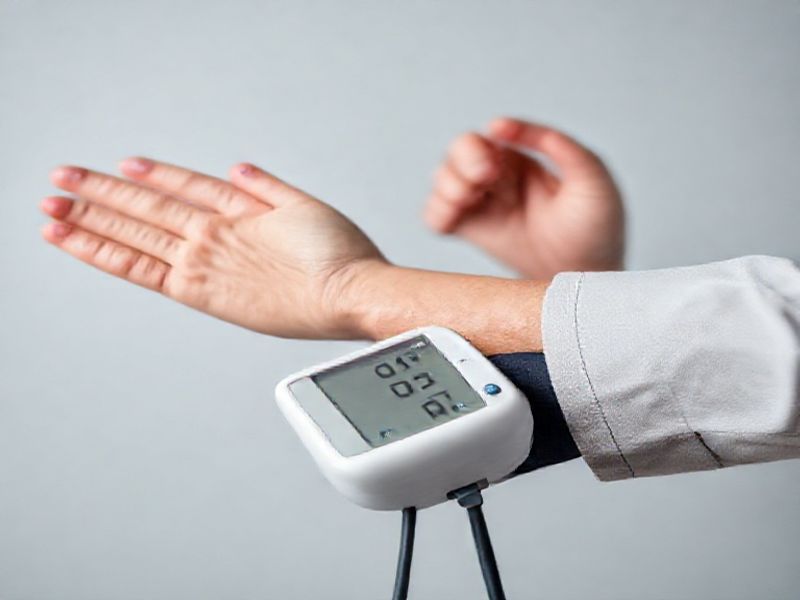
Check Your Blood Pressure

mmHg
mmHg

What is Blood Pressure?

Blood pressure is the force of blood pushing against artery walls as your heart pumps blood. It's measured in millimeters of mercury (mmHg) and recorded with two numbers:

  • Systolic pressure (top number): Pressure when your heart beats and pumps blood
  • Diastolic pressure (bottom number): Pressure when your heart rests between beats

Normal blood pressure is vital for delivering oxygen and nutrients throughout your body. High blood pressure (hypertension) can damage blood vessels and increase risk of heart disease, stroke, and kidney problems.

How to Measure Blood Pressure Accurately

  1. Rest for 5 minutes before measurement in a quiet place
  2. Sit properly: Back supported, feet flat, arm at heart level
  3. Don't talk during measurement
  4. Empty your bladder before measuring
  5. Avoid caffeine, exercise, and smoking 30 minutes before
  6. Take multiple readings and use the average
  7. Measure at the same time daily for consistent tracking

Blood Pressure Categories (American Heart Association)

Normal

Less than 120/80 mmHg

Maintain healthy lifestyle to keep BP in this range.

Elevated

120-129 / Less than 80 mmHg

Make lifestyle changes to prevent progression to hypertension.

Stage 1 Hypertension

130-139 or 80-89 mmHg

Lifestyle changes and possibly medication recommended.

Stage 2 Hypertension

140/90 mmHg or higher

Lifestyle changes and medication typically required.

Hypertensive Crisis

Higher than 180/120 mmHg

Seek emergency medical attention immediately.

When to Monitor Blood Pressure

  • Regular screening: Adults should check BP at least once every 2 years
  • Risk factors: Check more frequently if you have diabetes, kidney disease, or family history
  • Age 40+: Annual BP checks recommended
  • Diagnosed hypertension: Daily monitoring as directed by doctor
  • Medication changes: More frequent monitoring when adjusting BP medications

Important Medical Disclaimer

  • This tool is for educational purposes only and not medical advice
  • One high reading doesn't mean you have hypertension - multiple readings needed
  • Home monitors should be validated and properly calibrated
  • Consult healthcare providers for diagnosis and treatment
  • Seek emergency care if BP is higher than 180/120 with symptoms
  • Don't stop or change medications without doctor approval

Lifestyle Tips to Lower Blood Pressure

DASH Diet

Focus on fruits, vegetables, whole grains, and lean proteins. Reduce sodium to less than 1,500mg daily.

Regular Exercise

Aim for 150 minutes of moderate activity weekly. Walking, swimming, and cycling are excellent choices.

Maintain Healthy Weight

Losing even 5-10 pounds can significantly lower blood pressure if you're overweight.

Limit Alcohol & Quit Smoking

Reduce alcohol consumption and quit smoking to improve cardiovascular health dramatically.

Manage Stress

Practice relaxation techniques like meditation, yoga, or deep breathing exercises.

Quality Sleep

Aim for 7-9 hours of sleep nightly. Poor sleep can raise blood pressure over time.

Next Steps

Take control of your cardiovascular health with our comprehensive suite of health monitoring tools.