What is Blood Pressure?
Blood pressure represents the force exerted by circulating blood against arterial walls as your heart pumps throughout your body. This vital measurement provides crucial insights into cardiovascular health, revealing how efficiently your heart and circulatory system function. Blood pressure naturally fluctuates throughout the day responding to physical activity, stress, emotions, and even time of day, but persistent elevation (hypertension) or abnormally low readings (hypotension) signal potential health problems requiring medical attention.
Measured in millimeters of mercury (mmHg), blood pressure consists of two numbers representing different phases of the cardiac cycle. The upper number (systolic pressure) indicates maximum pressure when your heart contracts to pump blood. The lower number (diastolic pressure) measures minimum pressure when your heart relaxes between beats. Both numbers matter equally for health assessment, as elevated systolic or diastolic pressure independently increases cardiovascular disease, stroke, kidney damage, and vision problems risks.
Hypertension affects nearly half of American adults but often produces no symptoms, earning its reputation as the "silent killer." Many people live with dangerously high blood pressure for years without realizing it, silently damaging arteries, heart, kidneys, brain, and eyes. This underscores the critical importance of regular blood pressure screening - early detection and intervention prevent irreversible organ damage and significantly reduce heart attack and stroke risks. Understanding your numbers empowers proactive health management.
Blood Pressure Categories and Interpretation
The American Heart Association and American College of Cardiology established updated blood pressure categories in 2017, lowering thresholds for hypertension diagnosis based on overwhelming evidence that cardiovascular risks increase at previously considered "normal" levels.
Normal: Less than 120/80 mmHg
Optimal cardiovascular health indicated by systolic below 120 and diastolic below 80. Maintain this range through
healthy lifestyle including balanced nutrition, regular exercise, stress management, adequate sleep, and avoiding
tobacco. Normal blood pressure doesn't guarantee freedom from heart disease but significantly reduces risks.
Elevated: 120-129 systolic AND less than 80 diastolic
Warning stage where systolic pressure creeps higher while diastolic remains normal. Without intervention, elevated
blood pressure typically progresses to hypertension. This stage responds exceptionally well to lifestyle modifications
- weight loss, increased physical activity, dietary improvements, and stress reduction often restore normal levels
without medication.
Hypertension Stage 1: 130-139 systolic OR 80-89 diastolic
Confirmed hypertension requiring intervention. Doctors typically recommend aggressive lifestyle changes and may
prescribe medication depending on overall cardiovascular risk factors. Even Stage 1 hypertension significantly
increases stroke, heart attack, heart failure, and kidney disease risks compared to normal pressure.
Hypertension Stage 2: 140+ systolic OR 90+ diastolic
More severe hypertension nearly always requiring medication combined with lifestyle modifications. Stage 2
substantially elevates cardiovascular disease risks and often causes or accompanies organ damage. Prompt treatment
is essential to prevent heart failure, stroke, kidney failure, and vision loss.
Hypertensive Crisis: Higher than 180 systolic AND/OR higher than 120 diastolic
Medical emergency requiring immediate attention. At these dangerous levels, blood pressure can rapidly damage
organs. Call emergency services if experiencing chest pain, shortness of breath, back pain, numbness, vision
changes, or difficulty speaking. Even without symptoms, readings this high warrant urgent medical evaluation.
Factors Affecting Blood Pressure
Numerous modifiable and non-modifiable factors influence blood pressure levels. Understanding these helps identify improvement opportunities and explain why readings vary.
Age and Genetics: Blood pressure typically increases with age as arteries stiffen and lose elasticity. Family history significantly affects hypertension risk - having one hypertensive parent roughly doubles your risk, while two hypertensive parents increase it fourfold. You cannot change genetics or aging, but knowing these risk factors emphasizes the importance of modifiable lifestyle factors.
Weight and Body Composition: Excess body weight, particularly abdominal obesity, strongly correlates with elevated blood pressure. Each 10-pound weight loss typically reduces blood pressure by 5-20 mmHg in overweight individuals. The relationship works through multiple mechanisms including increased blood volume, insulin resistance, inflammation, and sympathetic nervous system activation.
Sodium Intake: High dietary sodium causes water retention, increasing blood volume and pressure. Most Americans consume 3,400+ mg sodium daily, well above the recommended 2,300 mg (ideally 1,500 mg for optimal health). Reducing sodium intake by 1,000 mg daily can lower systolic pressure by 5-6 mmHg. Processed foods, restaurant meals, and added table salt contribute most dietary sodium.
Physical Activity: Regular exercise strengthens the heart, improves arterial elasticity, and helps control weight - all reducing blood pressure. Even moderate activity like brisk walking 30 minutes most days can lower systolic pressure by 4-9 mmHg. Exercise benefits accumulate over weeks, requiring consistent participation rather than sporadic intense sessions.
Stress and Sleep: Chronic stress elevates blood pressure through hormonal pathways and behavioral changes (overeating, alcohol use, reduced exercise). Poor sleep quality and insufficient sleep duration (less than 7 hours) significantly increase hypertension risk. Stress management techniques and sleep hygiene improvements provide measurable blood pressure benefits.
Alcohol and Caffeine: Excessive alcohol consumption (more than 2 drinks daily for men, 1 for women) raises blood pressure and reduces medication effectiveness. Moderate caffeine intake shows minimal long-term impact, though it causes temporary pressure increases. Tobacco use dramatically increases cardiovascular disease risk independent of blood pressure through arterial damage and atherosclerosis promotion.
Lifestyle Strategies for Blood Pressure Management
The most powerful blood pressure interventions involve comprehensive lifestyle modifications. The DASH diet (Dietary Approaches to Stop Hypertension) emphasizes fruits, vegetables, whole grains, lean proteins, and low-fat dairy while limiting sodium, saturated fat, and added sugars. Research shows DASH combined with sodium restriction can lower systolic pressure by 8-14 mmHg - comparable to medication effects without side effects or costs.
Weight loss produces dramatic blood pressure improvements for overweight individuals. Losing just 5-10% of body weight through balanced nutrition and increased activity often normalizes borderline hypertension without medication. The combination of DASH eating pattern, calorie deficit, and regular exercise provides synergistic benefits exceeding any single intervention.
Regular cardiovascular exercise lowers blood pressure through multiple mechanisms including improved vascular function, reduced inflammation, better insulin sensitivity, and stress reduction. Aim for 150+ minutes weekly of moderate-intensity activity (brisk walking, cycling, swimming) or 75+ minutes of vigorous exercise. Resistance training complements cardio by improving body composition and metabolic health.
Stress reduction through meditation, deep breathing, yoga, adequate sleep, and time management demonstrably lowers blood pressure. Even 10-15 minutes daily of relaxation practice produces measurable benefits. Sleep optimization - aiming for 7-9 hours nightly with consistent schedule and good sleep hygiene - supports healthy pressure regulation and overall cardiovascular health.
Proper Measurement Techniques
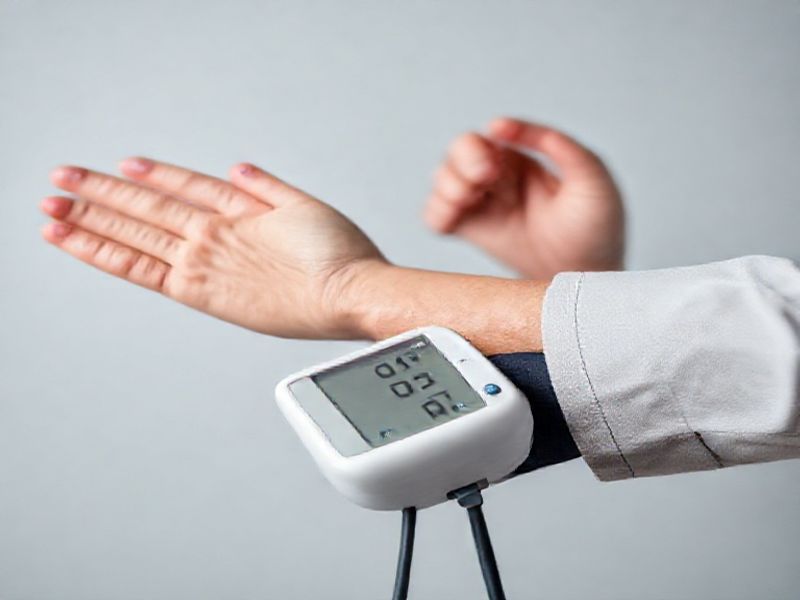
Accurate blood pressure measurement requires proper technique to avoid false readings. Sit quietly for 5 minutes before measuring in a comfortable chair with back support, feet flat on floor, and arm supported at heart level. Avoid caffeine, exercise, and smoking for 30 minutes prior. Use a properly sized cuff - too small inflates readings, too large deflates them.
Take multiple readings at least 1 minute apart and average the results. Blood pressure naturally varies, so single readings shouldn't determine treatment decisions. For home monitoring, measure at the same time daily, preferably morning and evening before medications. Record all readings to identify patterns and share with healthcare providers.
Home blood pressure monitoring provides valuable information about your true average pressure in natural settings, avoiding "white coat hypertension" (elevated readings in medical settings due to anxiety). Studies show home monitoring improves treatment adherence and blood pressure control. However, use validated devices and ensure proper technique to maintain accuracy.
Related Cardiovascular Health Metrics
Heart Rate: Blood pressure and heart rate together provide comprehensive cardiovascular assessment. While independent metrics, both reflect cardiovascular fitness and stress. Regular exercise typically improves both measurements, reducing resting heart rate while lowering blood pressure.
BMI and Body Composition: Excess weight strongly correlates with hypertension. Weight loss through diet and exercise represents one of the most effective non-pharmacological blood pressure treatments. Even modest reductions produce meaningful improvements.
Waist Circumference: Abdominal obesity particularly impacts blood pressure through hormonal and inflammatory pathways. Waist measurement and waist-to-hip ratio complement BMI for cardiovascular risk assessment, as central adiposity carries higher hypertension risk than peripheral fat storage.
Calorie and Activity Planning: Managing blood pressure through weight loss requires understanding your TDEE and creating appropriate calorie deficits. Combined with regular cardiovascular exercise, strategic nutrition planning supports sustainable blood pressure improvements alongside overall health benefits.
Track Your Blood Pressure
Monitor your cardiovascular health and understand your readings
Check Blood Pressure Category