
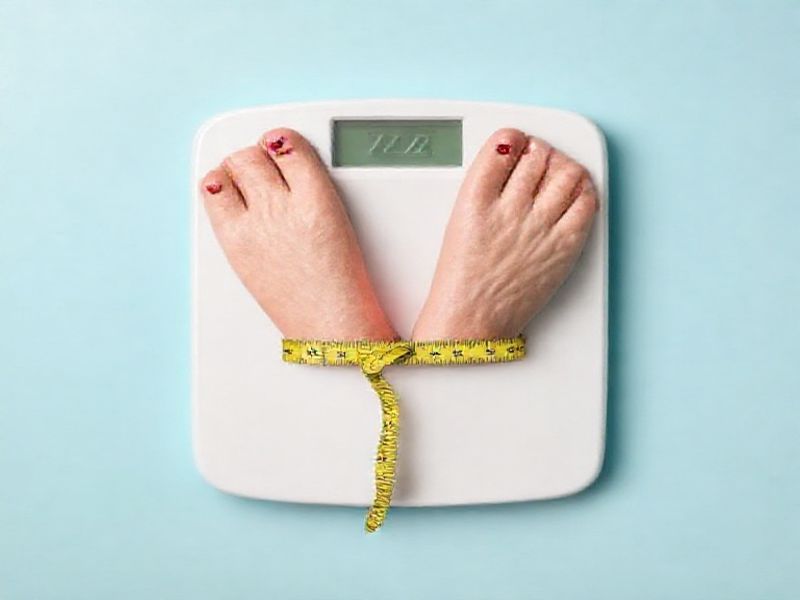
What is Ideal Weight?
Ideal weight, also called healthy weight or target weight, represents the weight range at which your body functions optimally with the lowest health risks. Unlike single-number targets, modern ideal weight calculations provide a range that accounts for individual variations in bone density, muscle mass, and body composition. This range-based approach recognizes that health exists across a spectrum rather than at a single precise number.
The concept of ideal weight evolved significantly over the past century. Early methods relied on simple height-based formulas developed by insurance companies analyzing mortality data. Modern approaches incorporate additional factors like gender, age, body frame size, and activity level to provide more personalized recommendations. Understanding your ideal weight helps set realistic goals for weight management and provides a healthier alternative to societal beauty standards.
Ideal weight serves as a guideline rather than absolute mandate. Two people with identical heights might have different ideal weights based on muscle mass, bone structure, and genetic factors. Athletes with substantial muscle development may weigh more than standard calculations suggest while maintaining excellent health. The goal is finding a sustainable weight where you feel energetic, maintain stable health markers, and can engage in desired activities without limitation.
Calculation Methods and Formulas
Multiple scientifically validated formulas estimate ideal weight, each with different approaches and applications. Understanding these methods helps you choose the most appropriate calculation for your circumstances.
Robinson Formula (1983):
Men: 52 kg + 1.9 kg per inch over 5 feet
Women: 49 kg + 1.7 kg per inch over 5 feet
This widely-used formula provides reasonable estimates for most adults with average builds. It's
particularly useful for quick calculations and general health screening.
Miller Formula (1983):
Men: 56.2 kg + 1.41 kg per inch over 5 feet
Women: 53.1 kg + 1.36 kg per inch over 5 feet
Developed in the same year as Robinson's formula, Miller's approach tends to suggest slightly higher
weights, especially for taller individuals. It may be more appropriate for people with larger bone
structures.
Devine Formula (1974):
Men: 50 kg + 2.3 kg per inch over 5 feet
Women: 45.5 kg + 2.3 kg per inch over 5 feet
Originally developed for medical dosing calculations, Devine's formula is still commonly used in
clinical settings. It tends to suggest higher weights for taller individuals compared to other formulas.
Hamwi Formula (1964):
Men: 48 kg + 2.7 kg per inch over 5 feet
Women: 45.5 kg + 2.2 kg per inch over 5 feet
One of the oldest formulas still in use, Hamwi's method provides conservative estimates. Healthcare
professionals often adjust this baseline by ±10% based on individual body frame size.
Functional Applications in Health Management
Knowing your ideal weight range serves multiple practical purposes in health management and fitness planning. Rather than fixating on achieving a single number, use ideal weight as a target zone for long-term wellness.
For weight loss planning, ideal weight provides a realistic endpoint that prevents setting unhealthy goals. Aiming to lose weight beyond your ideal range often leads to metabolic problems, muscle loss, and hormonal disruption. Instead, focus on reaching the upper end of your ideal weight range first, then reassess based on how you feel and your health markers. Many people find their optimal health at the middle or upper end rather than the bottom of the range.
Medical professionals use ideal weight calculations for clinical purposes including medication dosing, nutritional assessment, and surgical planning. When someone's actual weight differs significantly from ideal weight, healthcare providers investigate underlying causes like thyroid disorders, hormonal imbalances, or metabolic conditions that may require treatment beyond simple diet and exercise changes.
Athletes and fitness enthusiasts should interpret ideal weight cautiously. These formulas don't account for muscle mass, so someone with substantial muscle development may weigh more than suggested ideal weight while having low body fat. In such cases, body composition measurements like body fat percentage provide better health assessment than weight alone.
Factors Affecting Your Ideal Weight
Body Frame Size: People with larger skeletal frames naturally weigh more than those with smaller frames at the same height. You can estimate frame size by measuring wrist circumference or elbow breadth. Large-framed individuals may be healthiest at the upper end of ideal weight ranges, while small-framed people might target the lower end.
Muscle Mass: Muscle tissue is denser than fat, so muscular individuals weigh more than less muscular people with the same body dimensions. Someone who engages in regular resistance training may exceed ideal weight calculations while maintaining healthy body fat levels. This is why combining weight measurements with body composition analysis provides superior assessment.
Age Considerations: Metabolic rate and muscle mass typically decrease with age, while body fat percentage tends to increase. Some research suggests that carrying slightly more weight in older adulthood (without entering obesity) may be protective. However, maintaining muscle mass through strength training remains crucial regardless of age.
Gender Differences: Men typically have 10-15% more muscle mass and denser bone structure than women of the same height, explaining why ideal weight formulas use different calculations for each gender. Women naturally carry more essential body fat (10-13% vs 2-5% for men) necessary for reproductive health and hormone production.
Ethnicity and Genetics: Different ethnic groups show variations in body composition, bone density, and fat distribution patterns at the same BMI or weight. Asian populations, for instance, may face increased health risks at lower weights than Caucasian populations. Family history and genetic factors influence your natural body type and comfortable weight range.
Setting Realistic and Healthy Goals
Use ideal weight calculations as a starting point rather than absolute target. If your current weight significantly exceeds the ideal range, set intermediate goals that make the journey manageable. Losing 5-10% of body weight produces meaningful health improvements including better blood pressure, improved insulin sensitivity, reduced inflammation, and enhanced cardiovascular function.
Focus on sustainable progress rather than rapid results. Healthy weight loss typically occurs at 0.5-2 pounds per week, though initial water weight loss may be faster. Faster weight loss often indicates muscle loss alongside fat loss, potentially lowering your metabolic rate and making long-term maintenance harder. Patience and consistency yield better outcomes than extreme approaches.
Consider non-scale victories alongside weight changes. Improved energy levels, better sleep quality, enhanced mood, increased strength, improved endurance, and more comfortable movement all indicate health improvements that may precede or exceed what the scale shows. Many people achieve their best health slightly above calculated ideal weight when they prioritize fitness and nutrition quality.
Complementary Assessment Tools
BMI Calculator: Body Mass Index provides population-level health screening that complements ideal weight calculations. While BMI has limitations for muscular individuals, comparing your BMI category with your ideal weight gives broader perspective on weight status.
Body Fat Percentage: The most important metric for health assessment measures your ratio of fat mass to lean mass. Two people at "ideal weight" can have vastly different body compositions - one lean and muscular, the other having higher body fat with less muscle. Aim for healthy body fat ranges rather than specific weights.
Waist-to-Hip Ratio: Fat distribution significantly impacts health risks independent of total weight. Someone at ideal weight with excessive abdominal fat faces higher risks than someone slightly above ideal weight with healthier fat distribution. WHR assessment identifies this crucial factor.
BMR and TDEE Calculators: Understanding your metabolic rate helps create appropriate calorie plans for reaching ideal weight. Knowing daily calorie needs prevents both excessive restriction (which slows metabolism) and insufficient deficit (which stalls progress). These tools support sustainable weight management strategies.
Calculate Your Ideal Weight Range
Discover your personalized healthy weight target based on multiple formulas
Calculate Ideal Weight