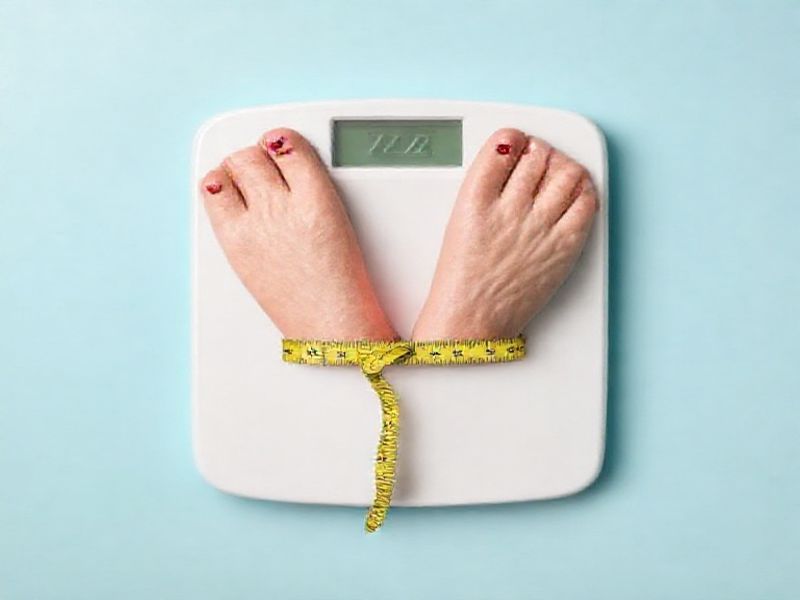
Calculate Your Ideal Weight

Your body frame affects your ideal weight range

What is Ideal Body Weight?

Ideal Body Weight (IBW) is the optimal weight range for your height and body frame that is associated with the lowest health risks and best overall wellness. Unlike BMI alone, IBW calculations consider gender, height, and sometimes age and body frame to provide a more personalized target.

This calculator uses five different scientifically validated formulas to give you a comprehensive weight range. Each formula has its strengths, and the average provides a reliable target for most people.

Formulas Used:

1. Robinson Formula (1983):
Men: 52 kg + 1.9 kg per inch over 5 feet
Women: 49 kg + 1.7 kg per inch over 5 feet

2. Miller Formula (1983):
Men: 56.2 kg + 1.41 kg per inch over 5 feet
Women: 53.1 kg + 1.36 kg per inch over 5 feet

3. Devine Formula (1974):
Men: 50 kg + 2.3 kg per inch over 5 feet
Women: 45.5 kg + 2.3 kg per inch over 5 feet

4. Hamwi Formula (1964):
Men: 48 kg + 2.7 kg per inch over 5 feet
Women: 45.5 kg + 2.2 kg per inch over 5 feet

5. Healthy BMI Range (18.5-24.9):
Weight range = (18.5 to 24.9) × height²

How to Use This Calculator

  1. Select your preferred unit system (Metric or Imperial)
  2. Choose your gender (Male or Female)
  3. Enter your age in years
  4. Input your height (cm, or feet and inches)
  5. Select your body frame size (Small, Medium, or Large)
  6. Click "Calculate Ideal Weight" to see your results
  7. Review the recommended weight range and individual formula results

The calculator will show you an average ideal weight along with results from each formula. The range is adjusted based on your body frame to provide a more personalized target.

Understanding Your Body Frame

Your body frame size affects your ideal weight:

  • Small Frame: Narrow shoulders, smaller bone structure, lower ideal weight range
  • Medium Frame: Average bone structure, standard ideal weight calculations
  • Large Frame: Broad shoulders, larger bone structure, higher ideal weight range

How to Determine Your Frame Size:

Wrap your thumb and middle finger around your wrist:

  • Small Frame: Fingers overlap significantly
  • Medium Frame: Fingers just touch
  • Large Frame: Fingers don't touch

Frame adjustments typically range ±10% from the calculated ideal weight.

Why Ideal Weight Matters

Knowing your ideal weight range helps you:

  • Set Realistic Goals: Understand what's achievable and healthy for your body
  • Reduce Health Risks: Being within your ideal range lowers risk of chronic diseases
  • Track Progress: Monitor your weight management journey effectively
  • Plan Nutrition: Calculate appropriate calorie intake for your goals
  • Improve Fitness: Optimize performance and recovery
  • Boost Confidence: Achieve a healthy weight that suits your body type

Important Considerations

Keep these factors in mind when using ideal weight calculations:

  • Individual Variation: These are general guidelines, not absolute targets
  • Body Composition: Muscle weighs more than fat - athletes may exceed ideal weight
  • Age Factors: Ideal weight may change with age and metabolism
  • Health Status: Medical conditions may affect your optimal weight
  • Not for Children: These formulas are designed for adults (18+)
  • Pregnancy: Not applicable during pregnancy or breastfeeding
  • Elderly: Different considerations may apply for seniors
  • Professional Advice: Consult healthcare providers for personalized guidance

Reaching Your Ideal Weight

If you need to adjust your weight, consider these evidence-based strategies:

For Weight Loss:

  • Create a moderate calorie deficit (300-500 cal/day)
  • Focus on whole, unprocessed foods
  • Increase protein intake to preserve muscle mass
  • Combine cardio and strength training
  • Aim for 0.5-1 kg loss per week

For Weight Gain:

  • Create a calorie surplus (300-500 cal/day)
  • Eat frequent, nutrient-dense meals
  • Focus on strength training to build muscle
  • Get adequate protein (1.6-2.2g per kg body weight)
  • Aim for 0.25-0.5 kg gain per week

For Maintenance:

  • Match calorie intake to expenditure (TDEE)
  • Continue regular exercise routine
  • Monitor weight weekly
  • Make small adjustments as needed

Next Steps

Use your ideal weight range as a guideline for setting health and fitness goals. Remember that the number on the scale is just one indicator of health - focus on overall wellness, body composition, and how you feel.